
ECU remapping is being sold to heavy diesel truck operators as a straightforward software fix. The reality is more nuanced, and the decisions around it carry real consequences for your engine, your compliance standing, and your warranty.
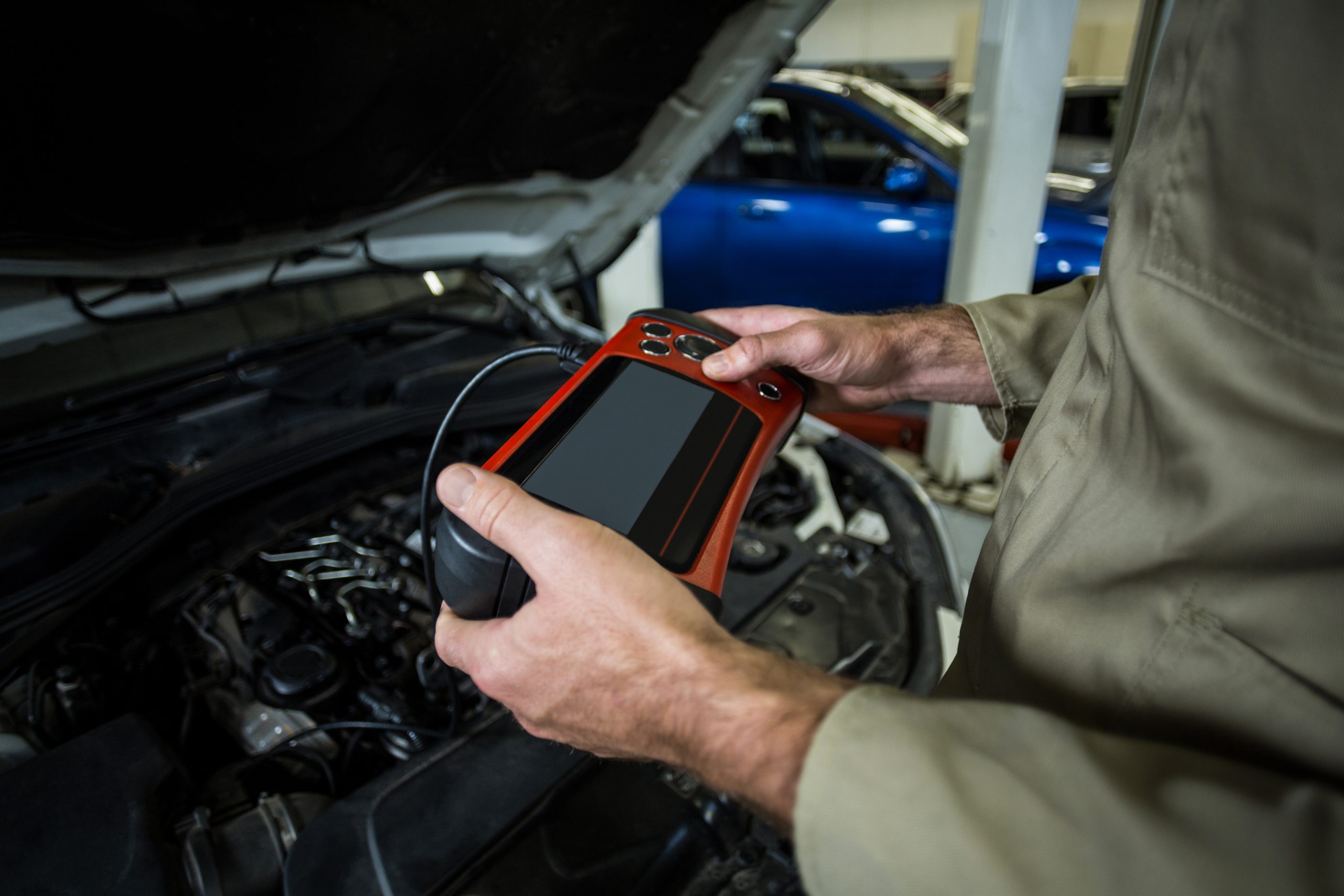
Remapping involves reading the calibration file stored in your engine’s control unit, modifying the parameters that govern how the engine runs, and writing the revised file back. That sounds simple. The quality of what gets written back is where everything either holds together or starts to unravel.
For commercial operators running trucks under sustained load, the stakes are not abstract. An engine remap executed with sound engineering knowledge and proper diagnostics can deliver measurable gains in torque, throttle response, and fuel efficiency. One applied carelessly, using a generic file without validation, can increase mechanical stress, push emissions beyond legal limits, and give a manufacturer grounds to reject a warranty claim.
Responsible ECU remapping starts with knowing the engine, not just knowing the software. This article gives you a clear, honest breakdown of what to expect, what it costs in New Zealand, and how to choose the right technician for your truck or fleet.
What ECU remapping actually does to your diesel engine
The Engine Control Unit is the brain of your diesel engine. It governs fuel delivery, turbo boost pressure, injection timing, throttle response, and the torque limits the drivetrain operates within. Every one of those parameters is calibrated at the factory before the engine reaches you, and that factory calibration is deliberately conservative.
How the factory calibration holds your engine back
Manufacturers build their engine maps to account for the widest possible range of operating conditions: variable fuel quality across global markets, extreme temperature ranges, extended service intervals, and warranty liability. A truck sold across dozens of markets needs a single calibration that works acceptably everywhere. For a diesel truck operating in a consistent environment with known fuel quality and a regular service programme, that conservative headroom represents real performance the engine never uses.
What an ECU remap changes under the bonnet
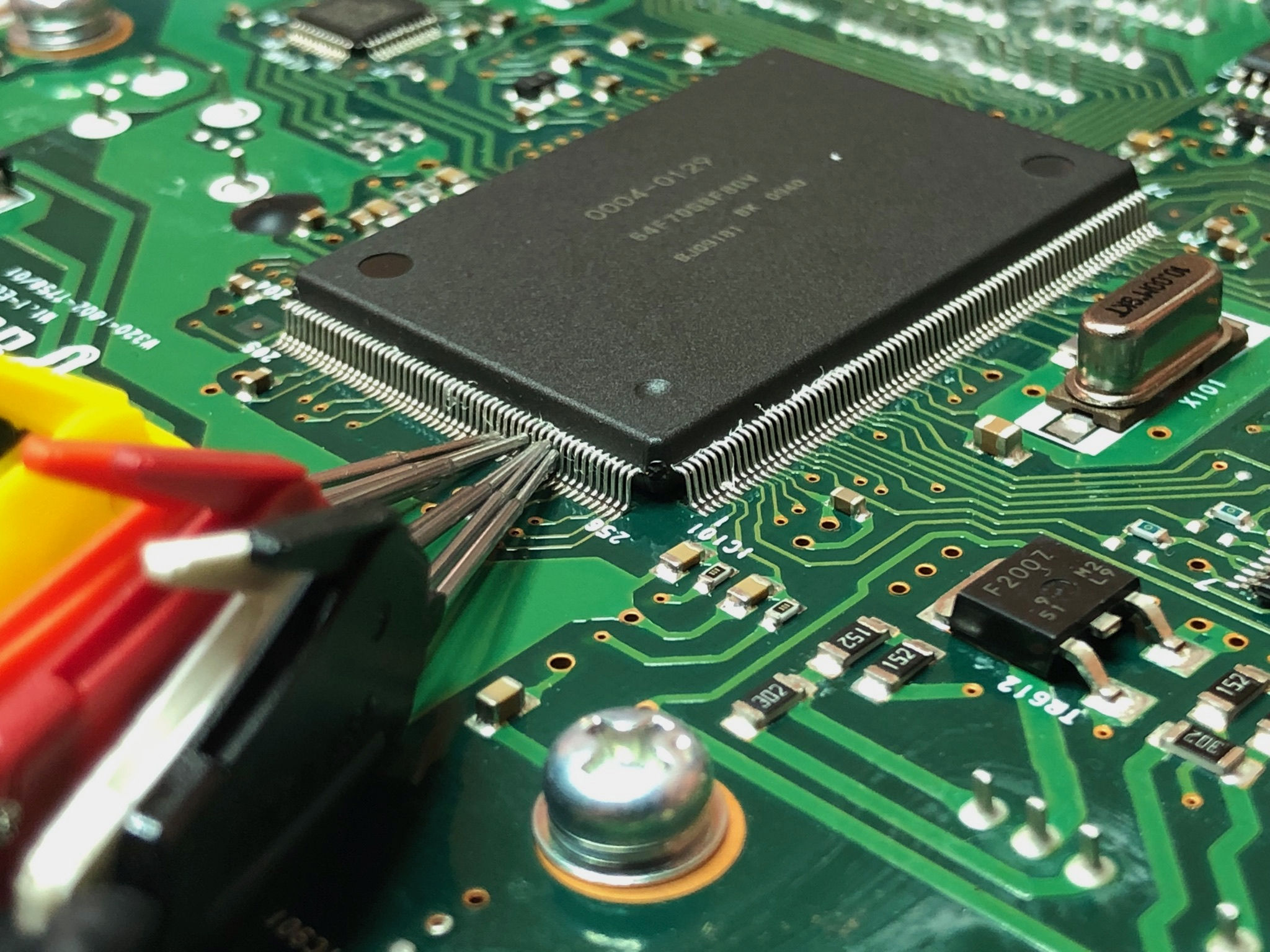
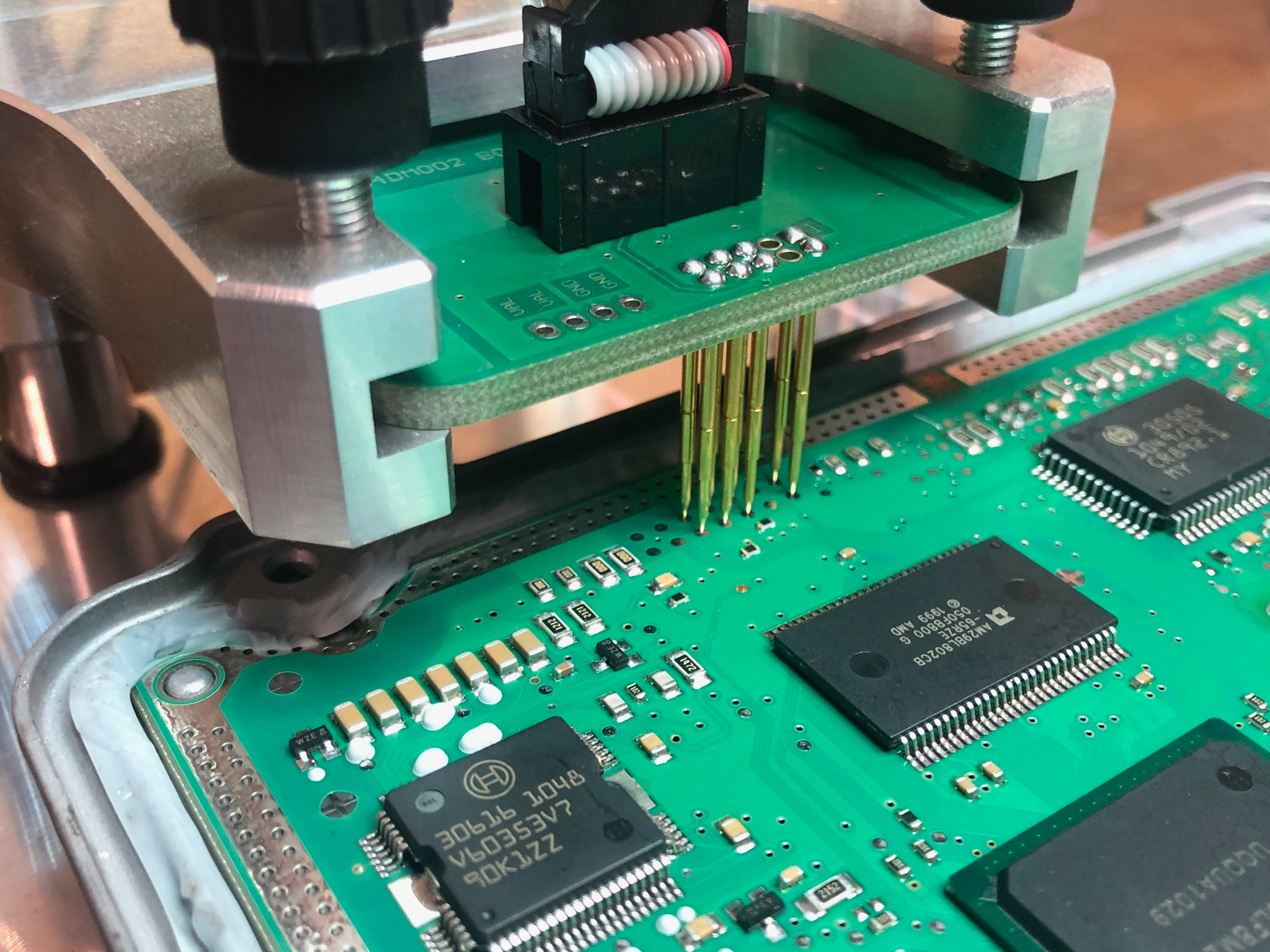
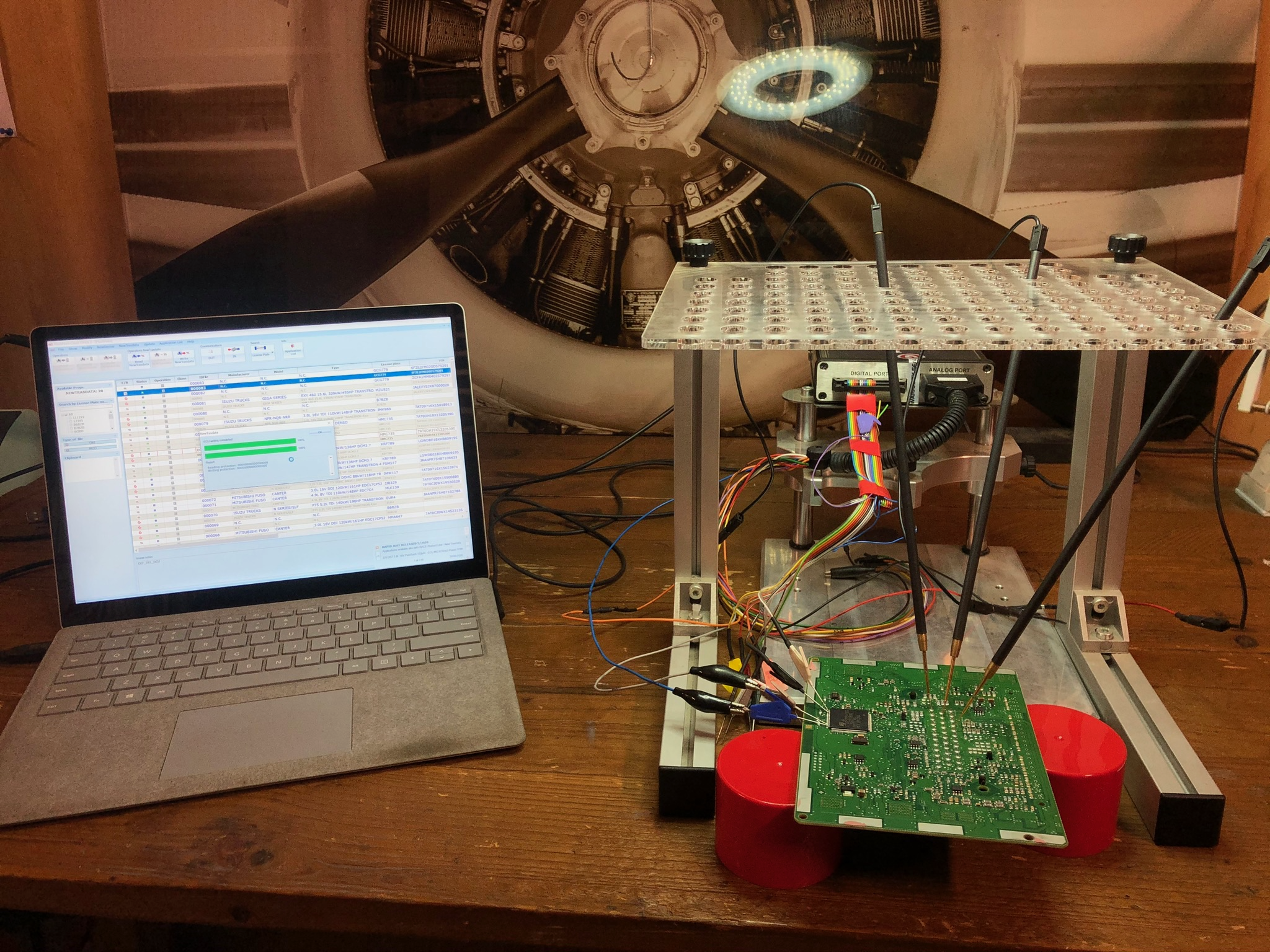
During an ECU remap, a technician adjusts specific parameters in the calibration file. The most common changes include fuel injection volume and timing, turbo boost pressure thresholds, fuel rail pressure, torque limiter settings, and throttle response mapping. No mechanical parts are removed or replaced. The change is purely software, written to the ECU via the OBD diagnostic port, or directly to the ECU on the bench through various methods. For a standard ECU flash, what determines the outcome is the quality of the calibration applied: whether the parameters were adjusted in coordination and validated under real load, with a genuine understanding of what the hardware can actually sustain.
Realistic gains for diesel engines
Turbocharged diesel engines are the strongest candidates for a performance remap, and most commercial trucks fall squarely into this category. Based on industry benchmark ranges for turbo diesel calibrations, a well-executed stage 1 diesel tune typically delivers gains of 20 – 30% in both torque and power output. On heavy commercial vehicles, some calibrations push toward 25 – 40%, depending on how conservative the factory tune was to begin with. Results vary by make, model, and the mechanical condition of the engine. For an accessible industry perspective on typical gains, see what performance gains a remap can give.
What to expect on power, torque and drivability
For truck operators, torque matters more than peak horsepower. Stronger mid-range torque under load means the engine works more efficiently across its operating range: pulling grades without dropping gears, maintaining speed under a heavy tow, and responding more directly when the throttle demands it. A remap that lifts the torque curve from low RPM gives the driver more usable power without working the engine harder to access it. That is where most of the practical day-to-day benefit is felt.
The honest answer on fuel economy
Fuel savings from an ECU tune are real, but they are conditional. A remap can improve part-throttle efficiency and reduce how hard the engine works at highway cruising speeds, because the engine achieves the same result with less effort. The determining factor is driver behaviour. If the extra torque and throttle response encourage harder driving, real-world fuel consumption tends to stay flat or increase. The efficiency gain goes to the driver who operates the remapped engine the same way they operated the original, not the one who treats the extra performance as an invitation to push harder.

How an ECU remap can affect your manufacturer warranty
Remapping does not automatically void all manufacturer warranty rights. Under the Consumer Guarantees Act 1993, your statutory rights are not cancelled by a software modification alone. The practical risk is narrower: if a fault occurs and the manufacturer can demonstrate the remap contributed to it, they have grounds to decline that specific claim. Faults genuinely unrelated to the calibration change may still be covered. Before proceeding, check with your insurer and fleet warranty provider, disclose the modification in writing, and retain a copy of the original ECU file along with full documentation of the remap work.
What ECU remapping costs in New Zealand
Standard ECU remaps for passenger vehicles start from around NZ$1,250 including GST. For heavy diesel trucks and commercial vehicles, pricing moves into a separate category. Published pricing from The Performance Shop lists light commercial vehicle tunes at around $1,750 and heavy commercial tunes aimed at trucks, buses, and heavy equipment at around $2,300 (pricing noted as at mid-2026; verify directly with providers as rates vary). These figures provide a useful baseline, but most reputable providers quote case-by-case because ECU access requirements and calibration complexity vary significantly between models.
Stage 1 vs. custom remapping: understanding what you pay for
A stage 1 remap applies a calibration within the standard hardware limits of the engine. Custom or bespoke remapping goes further, building a tune around your specific modifications, fuel type, operating loads, and performance targets. Custom work costs more because it demands more diagnostic time, more calibration iterations, and proper validation across the operating range. For a commercial truck working under demanding duty cycles, a generic file applied without diagnostics is not a cost saving. It is a liability dressed up as one. If you need a primer on the difference between tuning approaches, this explanation of ECU tuning versus remapping is a useful reference.
When a lower quote signals higher risk
A significantly cheaper quote typically means a generic calibration file applied without pre-remap diagnostics or dyno validation. For a truck that earns its keep every day, that is not a saving worth taking. The cost of a proper remap is a fraction of the repair bill that follows a poorly calibrated tune applied to an engine with an undetected fault.
How to choose a qualified remapping technician in NZ
The technician matters more than the software package. A calibration is only as good as the trade experience, diagnostic rigour, and validation process behind it. Use this framework to vet any provider before you commit. For guidance on selecting a reputable provider and why it matters, see this piece on the importance of choosing a reputable remapping provider.
5 questions to ask before you book
A qualified technician should be able to answer all of these without hesitation. Anyone who cannot is not someone you want writing to your ECU
- What diagnostics are run before any calibration work begins?
- Is the tune built specifically for your engine, load profile, and fuel quality, or is it a generic file loaded from a library?
- Can they show dyno data or data logs from before and after on a comparable vehicle?
- What support is available if driveability issues arise after the remap?
- How does the tune remain compliant with NZ emissions and roadworthiness requirements?
These questions are not difficult for a qualified operator to answer. They immediately separate workshops with genuine process discipline from those relying on marketing confidence alone.
Why hands-on expertise matters as much as the software
A remapping technician with deep practical grounding in diesel engines calibrates differently from one who works only with software parameters. They recognise when a parameter change will stress a component under heavy continuous working conditions. They know when a truck’s mechanical condition needs addressing before a remap is justified, and they understand when a conservative tune serves the operator better than an aggressive one. The software is the tool; the engineering knowledge behind it is what protects the engine.
At The Workshop 1924, we’re heavy diesel and engineering specialists with roots going back to 1924. That long-standing trade focus shapes how calibration decisions get made: with the engine’s long-term health and the operator’s compliance obligations in view, not just the dyno graph. The Performance Shop (a division of The Workshop 1924) is backed by Diesel Performance Solutions, with over 20 years experience in remapping and software modifications. All of our remaps are initially built on a dyno under full operating load/conditions.
Workshop vs. mobile tuning for commercial trucks
Workshop-based remapping with dyno capability is the stronger choice for heavy diesel trucks. Pre-remap diagnostics, controlled testing, and the ability to iterate the calibration on-site produce a more defensible result. Mobile tuning can work for simpler applications, but for a commercial vehicle operating under heavy and variable load cycles, a workshop environment with proper validation equipment is worth the trip. If your truck is your livelihood, the result needs to be verifiable, not just promised. For workshop-based options specifically focused on ECU work in Auckland, see ECU Remapping Auckland | The Performance Shop.
Make the right call for your vehicle
ECU remapping is a legitimate and effective tool for improving diesel truck performance and efficiency, but only when it is approached with genuine engineering rigour, not just software confidence. The gains are real for turbocharged diesel engines. So are the compliance and warranty risks when the work is done without proper diagnostics, validation, or practical understanding of the hardware involved.
NZ commercial operators should choose a remapping technician the same way they choose any critical service provider: on the basis of proven expertise, transparent process, and genuine accountability for the result. Talk to The Workshop 1924 before you book anywhere. A short conversation about your operating conditions is the fastest way to know whether your truck is a strong candidate for ECU remapping and what a responsible calibration involves for your specific application.